The Lithuanian Environmental Project Management Agency (APVA) has two separate funding measures for residents. In both cases the system must already be installed and ready to use when you apply. This funding is for households in Lithuania.
Before you start
We do not state here whether the call is currently open or whether funds remain, because that changes. The APVIS system always shows it. This page is not legal advice: the final conditions are in the description published by APVA.
1. Funding for a solar system
| Grant | EUR 169.96 incl. VAT per 1 kW when at least one main component (modules, cells or wafers) is made in China or the module efficiency is below 23%. EUR 220.97 incl. VAT per 1 kW when all main components are made outside China and the module efficiency is at least 23%. |
|---|---|
| Funded power | The system may be of any power, but the grant is paid for no more than 7 kW per electricity consumption site. |
| Who it is for | Residents who installed a new system and became prosumers from 1 February 2022. |
| Not funded | Increasing the power of an existing system, and sites for which funding has already been paid. |
| Call budget | EUR 13,000,000 |
Example: for a 7 kW system with modules made in China the grant would be 7 × 169.96 = EUR 1,189.72.
2. Funding for a system with a battery
| Grant | EUR 5,012.19 incl. VAT when the battery is lithium iron phosphate (LiFePO₄). EUR 4,572.30 incl. VAT when the battery is lithium-ion. |
|---|---|
| Minimum equipment | A system of at least 5 kW and a battery of at least 10 kWh. A system alone or a battery alone is not funded. |
| Permitted export power | No more than 1 kW. This commitment must be kept for 2 years after the end of project funding. |
| From when | Equipment bought and installed, and documents issued, no earlier than 1 September 2025. |
| Call budget | EUR 15,431,553 |
You may install a larger system or battery, but the grant does not grow. More about the 1 kW limit: what to do when ESO allows 1 kW of export.
The steps
- Read the requirements on the APVA website.
- Buy new (unused) equipment and have it installed.
- A certified contractor declares the installation to ESO, the grid operator.
- You receive the updated ownership boundary act for the electricity network from ESO.
- You submit the application and the payment request in the APVIS system.
The most common mistake
Applying before receiving the ESO ownership boundary act. APVA states that such an application is rejected with no option to correct it. Wait for the act first, and only then apply.
Equipment requirements
| Equipment | APVA requirement |
|---|---|
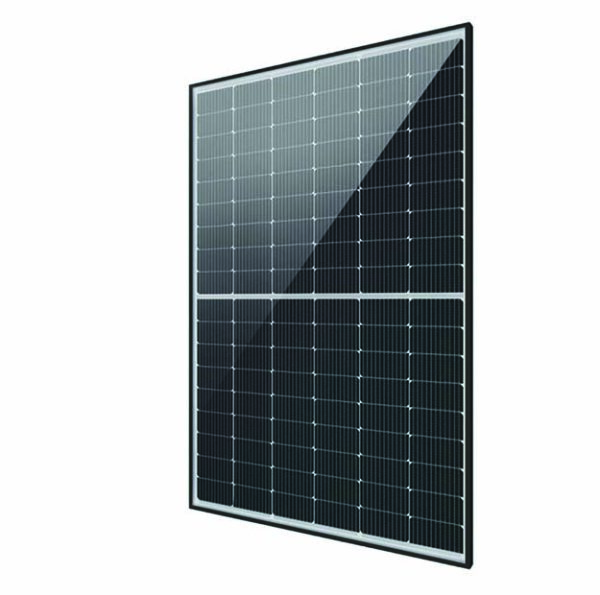
| Solar panels | A product warranty of at least 10 years, a 25-year 80% performance warranty, CE marking, protection of at least IP65. |
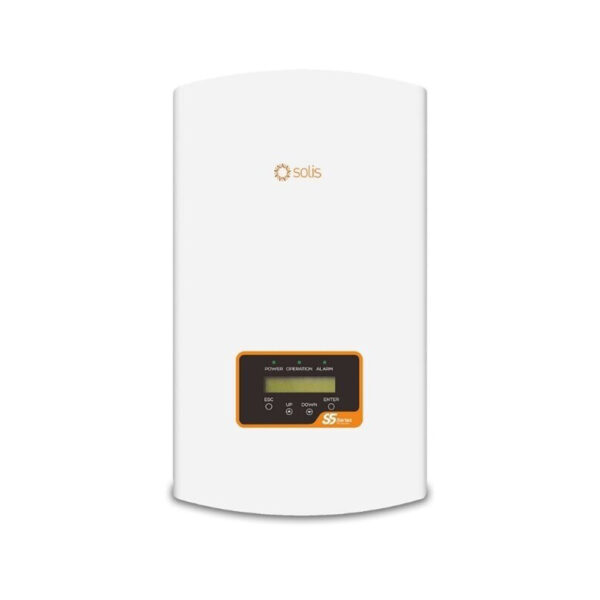
| Inverter | A product warranty of at least 5 years, CE marking, protection of at least IP65. |
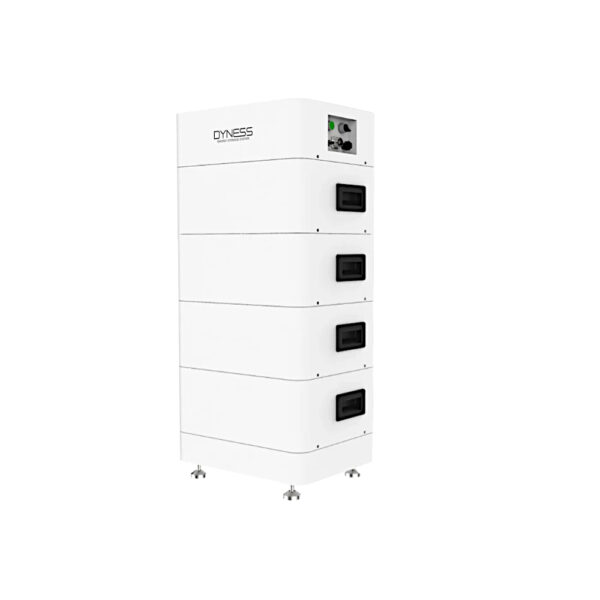
| Battery | CE marking, certificates of conformity and documents confirming the capacity, power and type. |
The manufacturer’s datasheet proves these details. Links to datasheets and the warranty period are on each of our product pages, in the “Documents and warranty” section.
Documents you will need
- A VAT invoice for the equipment.
- An equipment handover–acceptance act.
- Documents confirming the technical properties of the equipment (datasheets).
- The certified contractor’s declaration submitted to ESO.
- The ownership boundary act for the electricity network issued by ESO.
- Photos: the installation site, the panels, the inverter and its rating plate (with a battery – also the battery and its plate).
- A bank account number and the unique numbers of the properties from the Centre of Registers.
When you buy from us you receive a VAT invoice listing all the equipment. For the handover–acceptance act and other documents, tell us when ordering: +370 690 88999.
Equipment from our warehouse
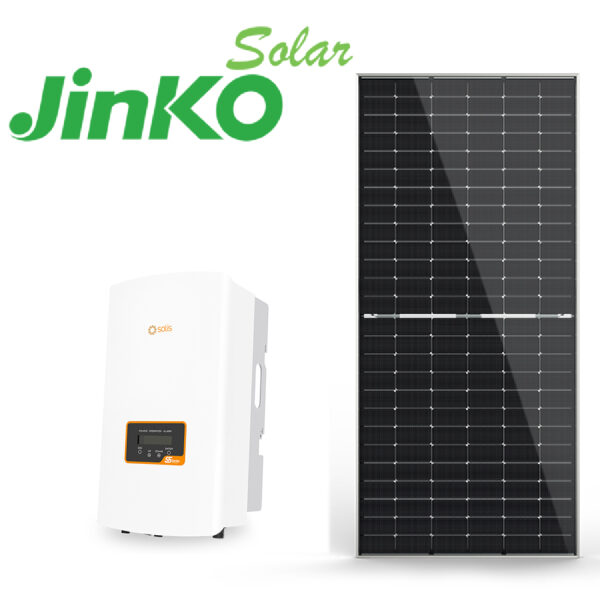
Before buying, check against the datasheet and the APVA description whether a specific product meets the requirements of the call. The country of origin of the modules determines the size of the grant, so check that as well.
Questions to APVA: konsultacijos@apva.lt, +370 614 99 699.
Information checked on 12 November 2026. Amounts and conditions are taken from APVA pages (updated 30 April 2026 and 29 January 2026) and may change.